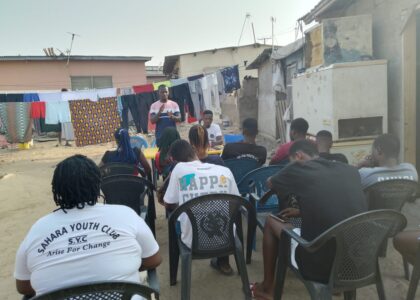

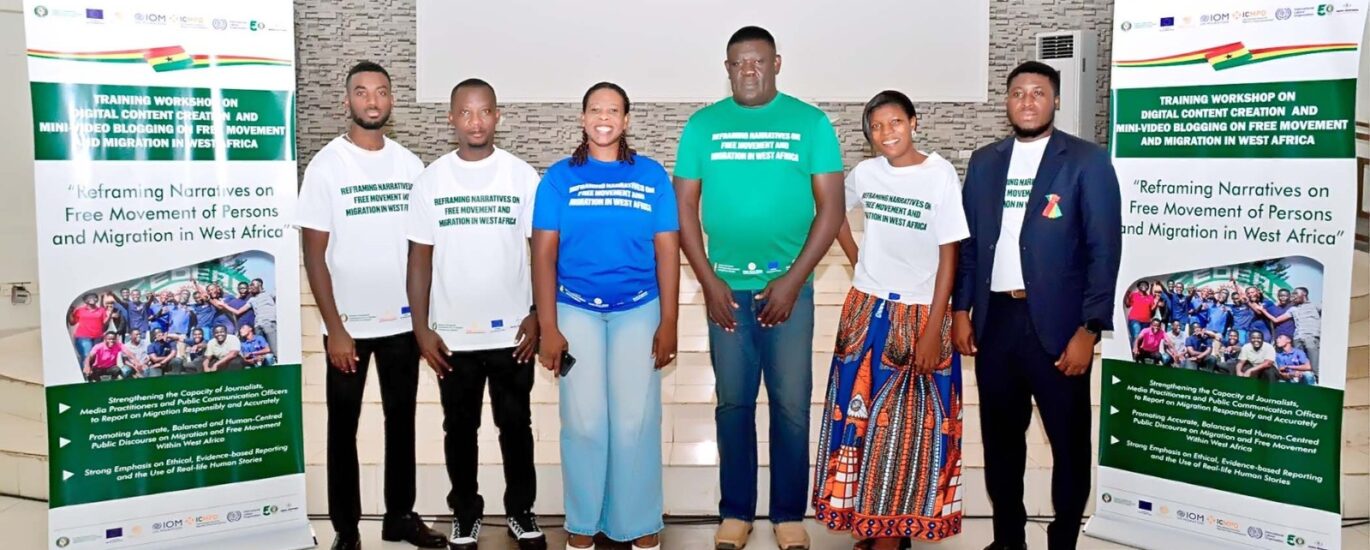
TAKORADI SESSION
Media professionals and content creators in Takoradi, Ho, and Bolgatanga have received practical training aimed at strengthening their capacity to produce responsible, accurate, and engaging digital content, particularly on migration-related issues.
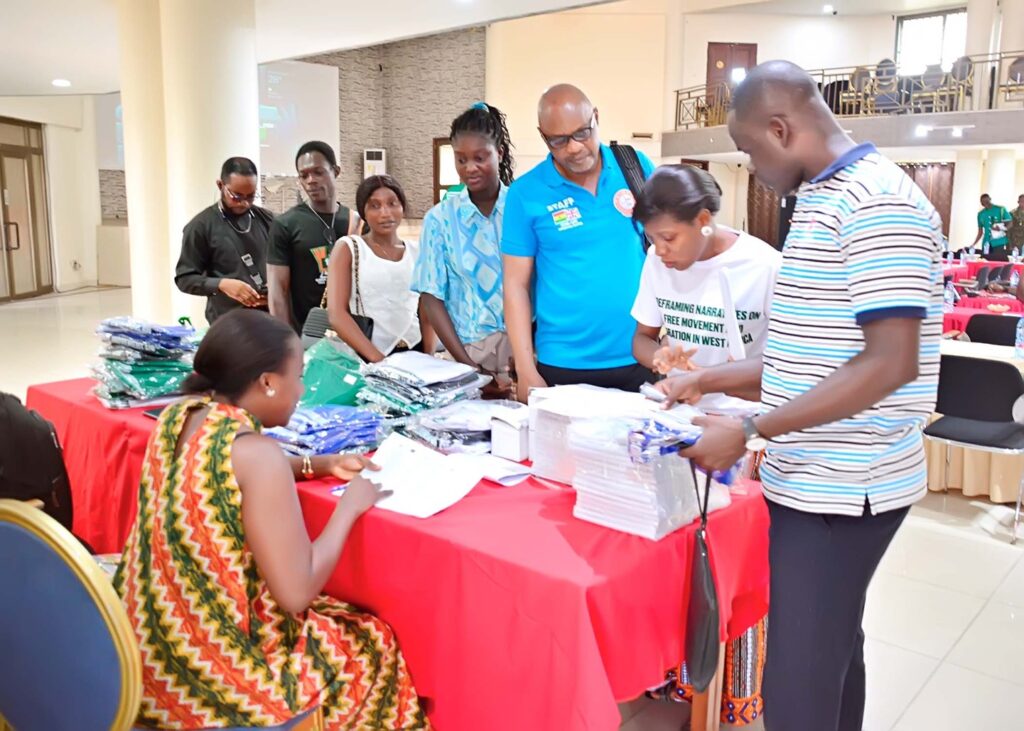
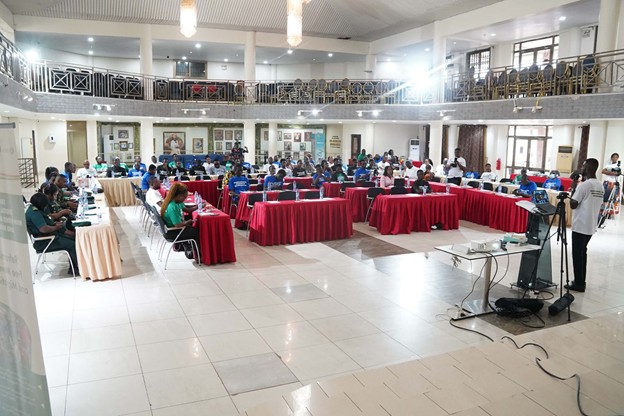
The Media Response Training Workshops, held on February 18 in Takoradi, April 29 in Ho, and May 20, 2026, in Bolgatanga, brought together media practitioners and other communication stakeholders for hands-on learning and knowledge sharing.
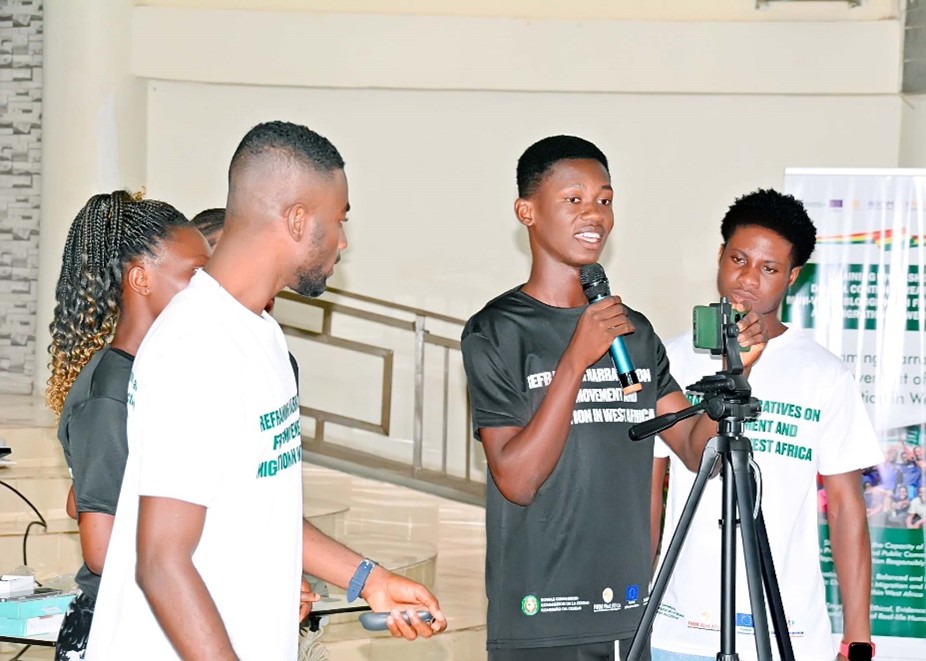
The workshops focused on equipping participants with practical skills in digital content creation, mobile journalism, and ethical migration reporting. Particular attention was given to the ECOWAS Free Movement Protocol, helping participants better understand the framework governing the movement of people across ECOWAS member states and how it can be accurately communicated to the public.
Building Practical Media Skills
With the rapid growth of digital media, journalists and content creators increasingly rely on mobile phones and digital platforms to gather, produce, and distribute news. The training therefore emphasized practical approaches to mobile journalism and digital storytelling.
Participants were introduced to techniques that can help them create compelling stories using accessible digital tools while maintaining professional standards of accuracy, fairness, and credibility.
The workshops also highlighted the importance of responsible storytelling when reporting on migration. Migration stories can have significant social and human consequences, making ethical reporting essential to preventing misinformation, stereotypes, and harmful narratives.
Promoting Responsible Migration Reporting
A key component of the training was understanding how the ECOWAS Free Movement Protocol relates to migration and regional mobility.
By strengthening journalists’ knowledge of the protocol, the workshops sought to support more informed public discussions around migration within West Africa. Participants were encouraged to report migration issues based on facts, context, and respect for the dignity of individuals and communities.
Responsible migration reporting goes beyond simply telling a story. It requires journalists to verify information, avoid sensationalism, provide appropriate context, and ensure that the voices and experiences of people affected by migration are represented fairly.
Taking the Training Across the Regions
The workshops in Takoradi, Ho, and Bolgatanga demonstrate the importance of taking media capacity-building initiatives beyond major media centres and creating opportunities for practitioners across different regions.
From the Western Region to the Volta Region and the Upper East Region, participants were given an opportunity to strengthen their skills and explore new approaches to digital journalism and responsible communication.
The regional approach also creates opportunities for local media practitioners to produce stories that reflect the realities and experiences of their communities while contributing to broader national and regional conversations.
Empowering the Next Generation of Digital Storytellers
As digital platforms continue to shape how people access and consume information, strengthening the skills of journalists and content creators remains critical.
The Media Response Training Workshops provided participants with tools and knowledge that can help them navigate the changing media environment while maintaining the principles of responsible journalism.
The initiative ultimately underscores a simple but important message: better-trained media professionals can contribute to better-informed communities.
Through practical digital skills, mobile journalism techniques, and ethical approaches to migration reporting, the workshops are helping build a media environment where stories are not only engaging but also accurate, responsible, and impactful.
The Takoradi, Ho, and Bolgatanga sessions therefore represent an important step toward strengthening media capacity and promoting more responsible conversations about migration and regional mobility across Ghana and the wider ECOWAS community.